
Does Insurance Cover Dental Crowns? What to Know

A crown is often recommended when a tooth is too damaged or weakened for a filling to protect it reliably. When you are already dealing with a cracked tooth, an old filling that failed, or discomfort after a root canal, the first practical question is often: does insurance cover dental crowns? Many dental plans do provide some coverage, but the amount depends on your specific benefits, why the crown is needed, and whether you have met your plan requirements.
The clearest answer is this: dental insurance may help pay for a medically necessary crown, but it rarely pays the entire cost. Understanding the details before treatment can replace financial uncertainty with a plan that feels manageable.
Does Insurance Cover Dental Crowns?
Most traditional dental insurance plans classify crowns as a major restorative service. After you meet your deductible, a plan may cover a percentage of the approved fee, often around 50%. That is a common structure, not a promise. Some plans cover a higher or lower percentage, have waiting periods for major services, or exclude certain materials.
Insurance is designed as a benefit that helps offset care, rather than a complete payment plan for every treatment. Your out-of-pocket amount may include the deductible, the portion insurance does not pay, any amount above the plan's allowed fee, and costs that exceed your annual maximum.
The reason for treatment matters, too. A crown used to restore a tooth with extensive decay, a fracture, or a large failing filling is more likely to qualify for coverage than one requested solely to improve appearance. If a tooth needs a crown after root canal treatment, the root canal and crown are generally separate procedures with separate insurance benefits.
Why a Dental Crown May Be Recommended
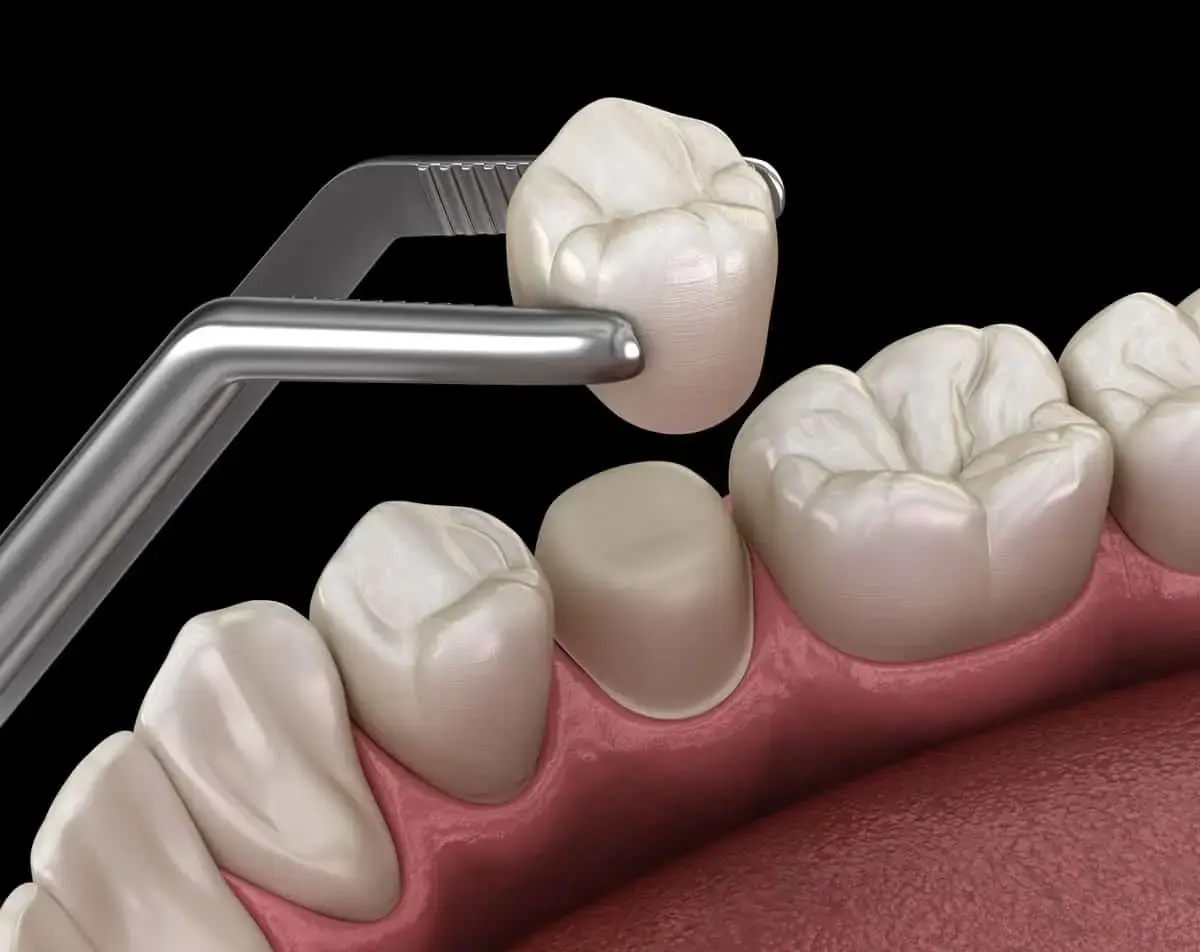
A dental crown is a custom restoration that covers the visible portion of a tooth. It is designed to restore strength, function, and a natural-looking shape while protecting the remaining tooth structure. Modern materials can be matched closely to surrounding teeth, especially when a crown is placed in a visible area of the smile.
Your dentist may recommend a crown when a tooth has a large cavity that cannot be supported by a filling, a crack, substantial wear, or a broken cusp. Crowns are also commonly used after root canal therapy because a treated back tooth can become more brittle and vulnerable to fracture.
Waiting is not always the less expensive choice. A cracked or weakened tooth can worsen under normal chewing pressure. What begins as sensitivity or a chipped edge may develop into severe pain, infection, or a fracture below the gumline. In some cases, that can mean the tooth can no longer be saved and needs extraction and replacement. A timely crown can be an investment in keeping your natural tooth for the long term.
What Determines Your Coverage and Cost
No two dental plans are exactly alike, even when they come from the same insurance company. Before treatment begins, the dental team can review your benefits and help you understand the estimate. Final payment decisions, however, are made by the insurance carrier after it receives and processes the claim.
Your deductible and annual maximum
Many plans require you to pay a deductible before they contribute to major restorative care. Annual maximums matter just as much. If your plan has already paid for cleanings, fillings, or other care earlier in the year, there may be less remaining for your crown.
For example, a plan with a $1,500 annual maximum does not pay $1,500 toward every procedure. It pays up to that total amount across covered services during the benefit year. Once the maximum is reached, you are generally responsible for additional treatment costs until the plan renews.
Network status and allowed fees
Choosing an in-network dental office can reduce your expected cost because the office has agreed to contracted fees with the plan. Out-of-network benefits can still be valuable, but your plan may reimburse based on its own allowed amount rather than the office's usual fee. The difference may become part of your responsibility.
This is why it helps to ask whether your office participates with your specific plan, not simply whether it “takes” your insurance. A participating provider relationship and out-of-network claim filing are not the same thing.
Waiting periods and frequency limits
Some plans impose a waiting period before major services such as crowns are covered. This is more common with plans that are newly purchased or obtained outside an employer group. If you need a crown during that period, you may need to pay without insurance assistance.
Plans can also limit how often they will cover a replacement crown on the same tooth. A common limit is once every five to seven years, though the exact timeline varies. If an existing crown has failed before your plan's replacement interval, coverage may be denied even if replacing it is clinically necessary. Your dentist can document the condition of the tooth, but documentation does not override every plan limitation.
Crown material and clinical needs
Crowns can be made from different materials, including ceramic and metal-containing options. Your dentist will recommend a material based on the tooth's location, bite forces, appearance goals, available space, and overall oral health. Insurance may pay according to a standard allowance and may not cover an upgrade in material choice.
The best restoration is not always the one with the lowest immediate cost. A well-designed crown made from appropriate materials can improve comfort, chewing ability, and durability. Your treatment plan should balance insurance benefits with what will serve the tooth and your smile well over time.
How to Avoid Surprises Before a Crown
A careful benefits review is one of the most useful steps before restorative treatment. The dental office can submit a pre-treatment estimate, sometimes called a pre-determination, to your insurance company. This asks the insurer to review the proposed crown and estimate its payment before the final procedure.
A pre-treatment estimate is not a guarantee of payment. Benefits can change, annual maximums can be used by other claims, and the insurer makes its final decision after treatment. Still, it can provide valuable clarity when you are deciding how to proceed.
Bring your current insurance card and let the team know about any recent changes in employment or coverage. If you have two dental plans, coordination of benefits may reduce your remaining cost, although a second plan does not necessarily pay everything the first plan leaves behind.
It is also wise to ask for an itemized treatment estimate. You should understand whether the estimate includes the exam, X-rays, build-up if needed, temporary crown, final crown, and any related treatment. A tooth that needs a crown may also need decay removal, root canal therapy, or gum care first, depending on its condition.
When Insurance Is Not Enough
If a crown is recommended but your insurance pays only part of it, you still have options. Treatment timing may make a difference if a new benefit year is close, although postponing care should be based on the tooth's health and your dentist's guidance, not insurance timing alone.
Many patients use a combination of insurance and financing to spread the remaining balance into more manageable payments. Lifetime Smile Center also offers six-month 0% financing for eligible patients and an in-house discount membership plan for patients without traditional insurance or those seeking predictable ongoing care. The right option depends on your needs, budget, and the urgency of treatment.
For a tooth causing significant pain, swelling, or a sharp edge that is cutting your cheek or tongue, do not wait for a benefits question to become an emergency. Prompt evaluation can relieve discomfort and help protect your health. Same-day emergency dental care may be available when urgent treatment is needed.
Questions Patients Often Ask
Will insurance cover a crown for a broken tooth?
It may, particularly when the crown is needed to restore a broken or structurally compromised tooth. Your plan will still apply its deductible, coverage percentage, annual maximum, and any replacement limitations.
Is a crown covered after a root canal?
Often, yes, but the crown and root canal are billed as separate procedures. Each may have different coverage levels, and the crown is usually considered a major service.
Can I choose a filling instead of a crown to save money?
Sometimes a filling is appropriate, but not when too little healthy tooth remains to support it. Placing a filling in a tooth that truly needs a crown can create a short-term savings and a greater risk of another fracture later. Your dentist should explain why a particular restoration is recommended and what alternatives may realistically accomplish.
How long does a dental crown last?
With good home care, regular exams, and attention to grinding or clenching, many crowns last for years. Their lifespan depends on the material, fit, bite forces, the health of the tooth underneath, and habits such as chewing ice or using teeth to open packaging.
A clear insurance estimate can be reassuring, but the health of the tooth comes first. If you have been told you need a crown, a gentle evaluation and straightforward conversation about treatment, benefits, and payment options can help you move forward with confidence and protect the smile you rely on every day.



Comments